What Every Facility Manager Needs to Know About LEL and Fixed Systems
Breweries combine craftsmanship with complex industrial processes, making safety and regulatory compliance a core responsibility for facility managers. Behind the art of brewing lies a mix of combustible gases, toxic gases, and asphyxiants; often present in confined or enclosed spaces. Understanding how safety regulations apply, and where fixed gas detection should be deployed, is essential to operating a safe, compliant, and efficient brewery.
In this article you’ll learn about the role of fixed gas detection systems, LEL monitoring, regulatory compliance, and we’ll discuss where harmful gases are most likely to accumulate within brewery operations.
Why Gas Detection Is a Regulatory Requirement in Breweries
In many brewery environments, gas detection is not simply a best practice; it’s a key control used to meet occupational safety and fire protection requirements.
While exact requirements vary by jurisdiction, breweries are commonly subject to:
- OSHA Regulations – The Occupational Safety and Health Administration (OSHA) is the U.S. federal agency responsible for protecting worker health and safety. OSHA regulations address hazardous atmospheres, oxygen-deficient environments, and employee exposure limits for toxic and combustible gases. While OSHA does not always mandate specific gas detection technologies by name, it requires employers to identify hazards and implement effective controls. Fixed gas detection helps breweries demonstrate that they are proactively identifying and mitigating risks related to CO₂, CO, ammonia, and combustible gases.
- NFPA Standards – The National Fire Protection Association (NFPA) develops widely adopted consensus standards focused on fire, explosion, and life safety. NFPA standards frequently referenced in brewery environments include those covering fuel gas systems, flammable and combustible gases, and industrial fire protection. Fixed gas detection is often cited as an acceptable or recommended means of detecting leaks, preventing LEL conditions, and initiating ventilation or shutdown responses before ignition can occur.
- Local Fire & Building Codes – State and municipal authorities typically adopt versions of NFPA or International Fire Code (IFC) standards, sometimes with local amendments. This means requirements can vary significantly by location, even for similar brewery operations. Local fire codes may explicitly require gas detection, alarms, or system interlocks in boiler rooms, refrigeration machinery rooms, or areas where flammable or asphyxiant gases are used or stored. Fixed gas detection helps breweries meet these location-specific code requirements and simplifies interactions with fire marshals and inspectors.
- Insurance & Risk Engineering Guidelines – Insurance providers evaluate breweries based on the likelihood and potential severity of fire, explosion, or life safety incidents. Gas-related incidents can result in injury, property damage, production downtime, and large claims. As a result, insurers often recommend fixed gas detection as part of a broader loss prevention strategy. Installing gas detection can reduce risk ratings, support underwriting decisions, and in some cases help control premiums by demonstrating a commitment to proactive safety management.
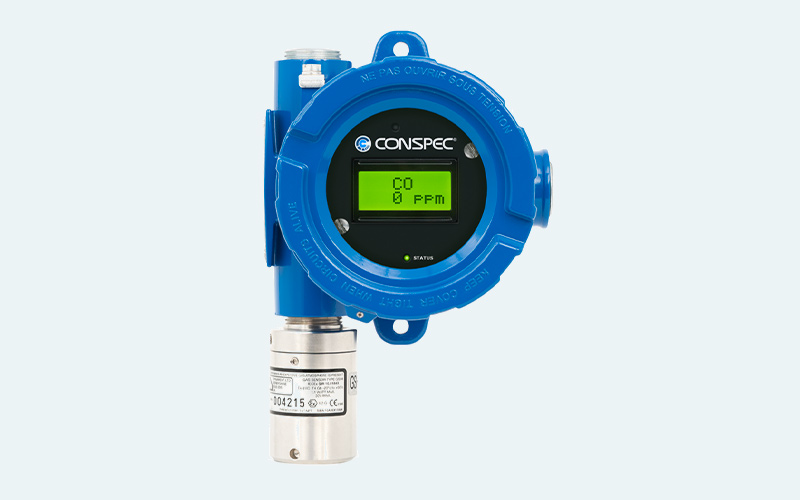
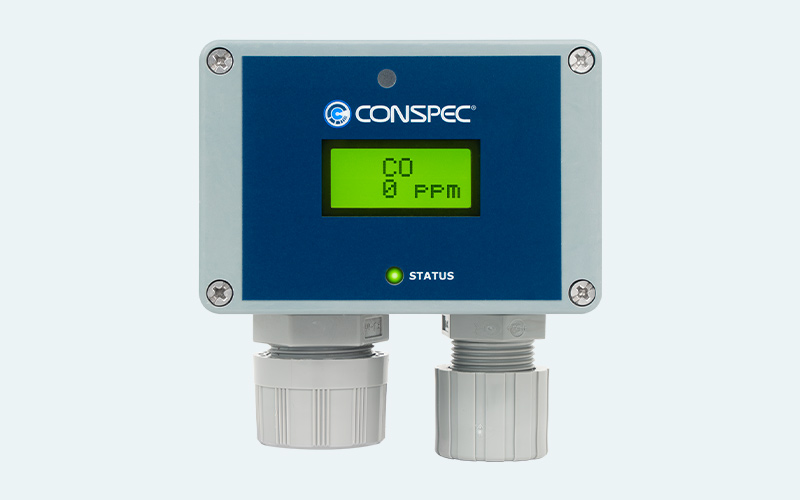
Fixed gas detection systems support compliance and risk reduction by providing continuous monitoring, activating audible and visual alarms, and integrating with ventilation systems or automated shutdowns when unsafe conditions are detected.
Key Gas Hazards Present in Breweries
Every stage of the brewing process introduces potential hazards that must be addressed through engineering controls such as fixed gas detection.
Combustible Gases
These gases present fire and explosion risks when concentrations approach the Lower Explosive Limit (LEL), particularly in enclosed or poorly ventilated areas:
- Methane (CH₄) – Methane is used by natural gas-fired boilers and kilns.
- Propane (C₃H₈) – Propane or LNG is a common fuel used in heating and roasting processes.
- Ethanol Vapors (C₂H₆O) – Ethanol vapors are generated during brewing, distilling, or aging.
Toxic Gases
Exposure to toxic gases can result in acute health effects and may exceed OSHA permissible exposure limits if leaks go undetected:
- Carbon Monoxide (CO) – Carbon monoxide is a by-product of incomplete combustion in burners, boilers, or kilns.
- Ammonia (NH₃) – Ammonia is used in many industrial refrigeration and cooling systems.
Asphyxiants
CO₂ is colorless and odorless and can displace oxygen, creating oxygen-deficient atmospheres that pose serious asphyxiation risks.
- Carbon Dioxide (CO₂) – Carbon dioxide is produced during fermentation and also used during carbonation and packaging processes.
Specific Brewery Locations Where Fixed Gas Detection Is Critical
Gas hazards in breweries are highly location-dependent. Fixed gas detectors should be strategically installed in areas where these gases are used, produced, or could accumulate.
Grain Handling, Malting, and Roasting Areas
Grain malting and germination processes naturally generate carbon dioxide, while roasting operations often rely on natural gas or LPG-fired kilns. In enclosed roasting rooms or areas with limited ventilation, combustible gases and carbon monoxide can accumulate quickly if a burner malfunctions or a leak develops. Installing fixed LEL detectors alongside carbon monoxide monitoring in these areas provides early warning of both explosion and toxic exposure risks.
Boiler Rooms and Mechanical Rooms
Boiler and mechanical rooms typically contain natural gas supply lines, burners, boilers, and water heaters, often concentrated in relatively small or enclosed spaces. Because these areas are directly associated with fuel gas use and combustion, they are frequently addressed by fire codes and insurance risk assessments. Fixed LEL gas detection combined with carbon monoxide monitoring helps identify leaks, incomplete combustion, or ventilation failures before conditions become hazardous.
Mashing, Lautering, and Boiling Areas
Mashing, lautering, and boiling processes rely on high-temperature systems that may be direct- or indirect-fired using methane or LPG. Leaks in fuel lines or burners can introduce combustible gas hazards near ignition sources. Fixed LEL detection installed near burners and fuel supply points, supplemented by carbon monoxide monitoring where combustion occurs, helps reduce the risk of fire or explosion during these critical production stages.
Fermentation Cellars and Tank Rooms
Fermentation produces large volumes of carbon dioxide that are often vented directly into the surrounding environment. In cellars, tank rooms, or other enclosed spaces, CO₂ can displace oxygen and create oxygen-deficient atmospheres without warning. Fixed CO₂ detectors and oxygen deficiency monitors are essential in these locations and are among the most important safeguards against asphyxiation incidents in breweries.
Refrigeration Systems
Many breweries rely on ammonia-based refrigeration systems to support fermentation and cold storage. Although ammonia is an efficient refrigerant, leaks can pose serious toxic hazards to personnel. Fixed ammonia gas detectors installed near compressors, valves, and piping runs provide continuous monitoring and can be integrated with ventilation and alarm systems to support regulatory compliance and emergency response.
Carbonation and Packaging Lines
Carbon dioxide is intentionally used during carbonation and packaging to purge oxygen from bottles, cans, and kegs. While this is a normal part of brewery operations, leaks from hoses, manifolds, or valves can elevate CO₂ concentrations in occupied spaces. Fixed CO₂ detection and oxygen monitoring help ensure that routine packaging activities do not inadvertently create hazardous conditions for operators.
Distilling, Aging, and Barrel Storage Areas
Breweries that also distill spirits or store product in aging rooms face additional risks from ethanol vapor. Ethanol has a low lower explosive limit and can accumulate in warm, confined environments. Fixed infrared LEL detectors and ethanol vapor monitoring in these areas help prevent ignition events and are often closely reviewed during safety inspections.
Fixed Gas Detection as the Foundation of a Brewery Safety Program
Fixed gas detection systems form the backbone of an effective brewery safety strategy by providing continuous, real-time monitoring of hazardous gases and triggering audible and visual alarms before conditions become dangerous. These systems support compliance with OSHA requirements, NFPA standards, and local fire codes, while also integrating with ventilation systems, alarms, and emergency shutdowns to enable rapid, automated responses when unsafe conditions are detected.
When paired with portable gas monitors, employee training, and documented safety procedures, fixed gas detection helps create multiple layers of protection. This integrated approach significantly reduces the risk of worker injury, unplanned downtime, and catastrophic incidents, while allowing safety systems to scale as brewery operations expand or production processes evolve.
Don’t Leave Brewery Safety to Chance
For facility managers, ensuring compliance means more than meeting minimum requirements; it means proactively identifying hazards and implementing countermeasures that protect your personnel, property, and processes.
A well-designed gas detection strategy (combining fixed gas detection, LEL monitoring, and oxygen deficiency detection) helps breweries operate safely, meet regulatory expectations, and maintain uninterrupted production. ∎