How Fixed and Portable Gas Detection Work Together to Improve Safety

In oil and gas applications, gas detection is not a single device decision; it’s a system-level safety strategy. Fixed gas monitors and portable (or personal) gas monitors play distinct but complementary roles. Fixed systems continuously protect high-risk assets and processes, while portable monitors move with workers to protect them wherever their work takes them.

When engineered together as a layered gas detection strategy, these technologies significantly reduce risk to personnel, protect critical infrastructure, and support safe, uninterrupted operations.

The Role of Fixed Gas Monitors

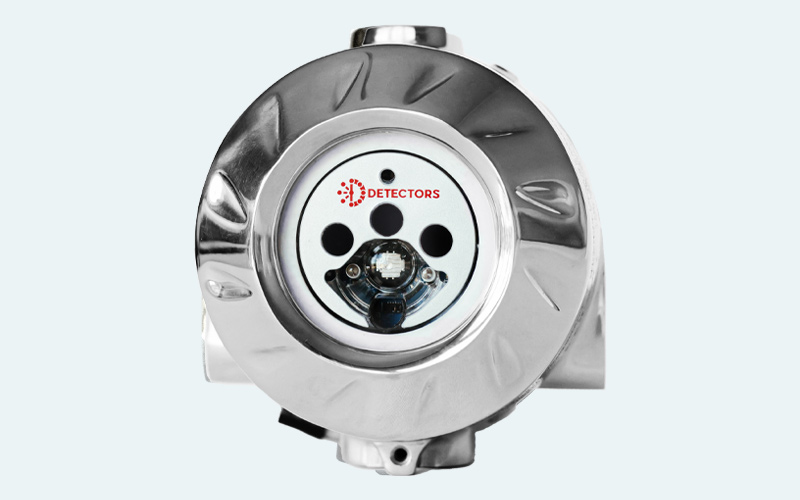
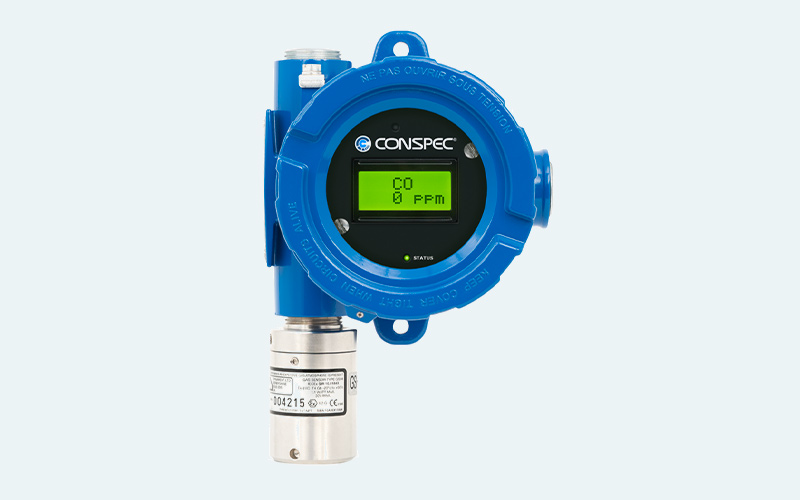
Fixed gas detection systems are permanently installed in strategic locations where hazardous gases are most likely to be released or accumulate. These systems provide continuous, 24/7 monitoring and are typically integrated into plant control, safety, or emergency shutdown systems.

In oil and gas facilities, fixed detection is engineered to protect both people and processes.

What fixed gas monitors are designed to do:

    • Continuously Monitor Defined Risk Zones – Fixed detectors are placed near known leak sources and accumulation points—compressors, valves, flanges, analyzers, tank farms, loading racks, and enclosed equipment rooms—so hazards are detected even when no one is present.

    • Enable Automatic Response – Integration with DCS, SIS, or fire and gas systems allows fixed monitors to trigger alarms, start ventilation, isolate equipment, or initiate shutdowns without relying on human intervention.

    • Provide Early Warning and Documentation – Fixed systems often detect leaks at lower concentrations than personal devices, supporting early intervention and creating an auditable record for regulatory compliance, process safety management, and incident investigation.

    Fixed gas detection forms the backbone of facility-wide protection, particularly in areas where gas releases can escalate quickly into fires, explosions, or major production losses.

    The Role of Portable Gas Monitors

    Portable and personal gas monitors are worn or carried by workers, providing real-time exposure protection at the breathing zone. These devices are critical wherever work is temporary, mobile, or outside the coverage of fixed detection.

    In oil and gas operations, personal monitors are often the last line of defense.

    What portable and personal monitors are designed to do:

      • Protect Individual Workers – These devices alarm when the worker is exposed to hazardous gas concentrations, regardless of location: confined spaces, remote sites, or transient work areas.

      • Support Flexible and Temporary Work – Portable monitors are ideal for maintenance, turnarounds, hot work, confined space entry, tank gauging, construction, pipeline inspections, and field operations where installing fixed detection is impractical.

      • Enable Hands-on Hazard Assessment – Maintenance and safety teams use portable instruments to verify alarms, investigate suspected leaks, and pinpoint sources during inspections and repairs.

      Because they are battery-powered and user-dependent, portable monitors require disciplined maintenance programs (bump testing, calibration, charging, and training) to ensure reliability when they are needed most.

      Fixed vs. Portable Gas Detection: Key Differences

      While both technologies rely on point sensors that only detect gas that reaches them, they are engineered for different layers of protection.

      Dimension Fixed Gas Monitors Portable / Personal Gas Monitors
      Primary Purpose Protect facilities, processes, and assets; provide early warning and automation Protect individual workers from exposure
      Location Permanently installed in defined high-risk areas Worn or carried by workers
      Monitoring Continuous 24/7 monitoring, independent of personnel Active only when powered on and worn
      System Integration Connected to alarms, ventilation, ESD, and control systems Typically standalone alarms for the wearer
      Coverage Larger zones and critical equipment Very localized, breathing-zone protection
      Power & Maintenance Mains power with backup; scheduled testing and calibration Battery powered; frequent bump tests and charging
      Best Use Cases Process units, compressor buildings, tank farms, loading racks, enclosed rooms Confined spaces, turnarounds, inspections, field work

      How Fixed and Portable Detection Are Used in Oil & Gas Applications

      Gas detection strategies vary across upstream, midstream, and downstream operations, but the principle remains the same: fixed systems manage known, continuous risks, while portable monitors address mobility and uncertainty.

      Upstream Operations

      Upstream environments are highly dispersed and dynamic, with a mix of permanent equipment and frequently changing work locations. Gas detection strategies here must balance fixed protection for known accumulation points with portable protection for operators and contractors who move between sites and tasks.

        • Personal multi-gas monitors for operators and contractors moving between sites, often configured for hydrocarbons, oxygen, H₂S, and CO

        Midstream Operations

        Midstream facilities concentrate large volumes of hydrocarbons into processing, compression, and transportation assets, making early leak detection and automatic response critical. Fixed systems protect these assets continuously, while portable instruments support maintenance, inspection, and alarm response activities.
          • Fixed hydrocarbon and H₂S detection in gas plants, compressor buildings, terminals, and control rooms, tied into ESD systems

          • Portable instruments used for hot work, valve inspections, tank entry, and alarm verification

          Downstream Operations

          Downstream facilities typically have the highest density of equipment, personnel, and potential ignition sources, increasing both the likelihood and consequence of gas releases. As a result, detection strategies rely on robust fixed networks supplemented by mandatory personal monitoring during non-routine and high-risk work.
            • Dense fixed detection networks in refineries, petrochemical units, tank farms, and jetties

            • Personal monitors mandated during turnarounds and special operations as part of work permits and job safety analyses

            Why Layered Gas Detection Delivers Better Protection

            The most effective gas detection programs do not treat fixed and portable monitors as interchangeable. They are complementary layers designed to address different failure modes and risk scenarios.

            Best-practice approaches include:

              • Early Warning Plus Personal Protection – Fixed systems detect leaks and trigger automatic responses before exposure occurs, while personal monitors protect workers if gas migrates beyond expected areas.

              • Using Portable Monitors to Support Fixed Alarms When a fixed detector alarms, trained personnel equipped with portable instruments can verify conditions, define hazard boundaries, and locate the source safely.

              • Covering Blind Spots and Temporary Risks Fixed detectors cannot be everywhere. Portable monitors protect workers in dead zones, behind equipment, and at temporary or changing work sites.

              • Using Data to Improve Systems Combining data from fixed and portable devices can reveal chronic low-level releases, validate detector placement, and improve both engineering controls and work practices.

              Engineering a Complete Gas Detection Strategy

              For oil and gas operators, the question is not whether to rely on fixed or portable gas detection; it’s how to engineer both into a cohesive safety system.

              Fixed gas monitors protect facilities and processes around the clock. Portable and personal monitors protect the people who operate, maintain, and service those facilities. Together, they provide the layered defense required to safeguard personnel, property, and production in high-hazard environments.

              At Conspec, we engineer gas detection solutions as part of a broader safety partnership; aligning technology, standards, and real-world operating conditions to deliver protection that works when it matters most. Let one of our team members help you build the safety solution that addresses your application’s unique challenges.