Engineering Safety in Hemp and Cannabis Processing Facilities
As hemp and cannabis operations continue to expand across the United States, processing facilities are becoming more complex, more energy-intensive, and more hazardous. While cultivation areas introduce electrical and egress risks, it is processing and extraction environments that present the greatest potential for serious incidents; particularly those involving combustible gases, flammable solvents, and oxygen-deficient atmospheres.
Managing these risks requires more than standalone devices or checklist-driven compliance. In modern hemp and cannabis processing facilities, safety must be engineered into the facility from the start, accounting for process design, gas behavior, ventilation dynamics, and how people actually work within the space. Gas and flame detection are central to that engineered approach.
Understanding the Unique Hazards in Hemp and Cannabis Processing
Unlike traditional manufacturing environments, cannabis processing facilities often combine high electrical loads, compressed or liquefied gases, and flammable extraction processes in relatively confined areas. These conditions create a unique risk profile where small failures can escalate rapidly.
Conspec’s Allen Mattson says that the combination of complex layouts, hazardous chemicals, extraction equipment, high heat, and significant electrical infrastructure creates an environment where situational awareness can quickly be lost. He adds “I’ve personally walked facilities where it would be easy for someone to become turned around and unknowingly enter a hazardous area. Properly engineered gas and flame detection systems, along with effective audible and visual signaling, are not optional safeguards, they are critical layers of protection for both workers and emergency responders.”
Common hazards found in these processing facilities can include:
- Liquefied petroleum (LP) gases such as butane or propane used in hydrocarbon extraction
- Carbon dioxide (CO₂) used for supercritical extraction or enrichment
- Off-gassing from processed plant materials
- Leaks or mechanical failures in extraction or delivery systems
- Continuous-duty lighting and electrical equipment that may act as ignition sources
When these hazards intersect, the consequences can include flash fires, explosions, or oxygen-deficient environments that threaten workers, first responders, and critical infrastructure. Addressing these risks effectively requires detection strategies that are engineered for the application, not retrofitted after the fact.
A Regulatory Landscape That Demands Proactive Detection
Hemp and cannabis processing facilities in the United States must comply with a layered regulatory framework that includes federal worker-safety standards and state or locally adopted fire and electrical codes. While enforcement authority varies, the underlying objective is consistent: mitigate ignition risks, protect personnel, and prevent catastrophic incidents involving hazardous gases.
A few requirements reoccur in these safety regulations: early gas detection, automatic ventilation response, and properly rated equipment. Together, they reinforce the need for engineered detection systems that are integrated into facility operations rather than treated as isolated components.
Protecting Workers from Gas and Process Hazards
From a federal perspective, OSHA standards establish baseline expectations for protecting employees from hazardous atmospheres.
Facilities using threshold quantities of flammable solvents such as butane or propane may fall under OSHA’s Process Safety Management (PSM) standard (29 CFR 1910.119). PSM emphasizes hazard analysis, mechanical integrity, and controls that detect and respond to abnormal operating conditions; making continuous gas monitoring a practical necessity in extraction areas.
OSHA’s Hazard Communication Standard (29 CFR 1910.1200) further requires identification of chemical hazards, employee training, and appropriate safeguards for toxic or asphyxiant gases. This is particularly relevant for carbon dioxide, which poses a serious asphyxiation risk even though it is non-flammable. OSHA sets a permissible exposure limit of 5,000 ppm (8-hour TWA) for CO₂, a level commonly used as an alarm threshold in processing and enrichment spaces.
Fire, Building, and Electrical Codes: Preventing Ignition and Escalation
Fire and building codes (often adopted and enforced at the state or local level) focus on preventing fires and explosions and limiting their impact when they occur.
Across adopted NFPA and International Fire Code (IFC) documents, hemp and cannabis processing facilities are typically required to implement:
- Combustible gas detection in hydrocarbon extraction rooms
- CO₂ detection in extraction or enrichment areas
- Automatic interlocks that activate ventilation and emergency shutdowns
- Exhaust systems designed to prevent gas accumulation
Electrical codes further address these risks by classifying extraction rooms as hazardous locations, requiring explosion-proof or intrinsically safe equipment and wiring methods designed to eliminate ignition sources.
While these codes define what hazards must be addressed, they rarely prescribe how detection systems should be designed for a specific facility. Translating regulatory intent into reliable protection requires an engineering-led approach that considers gas behavior, room geometry, airflow, and operational practices.
Why Gas Detection Must Be Engineered, Not Assumed
Gas detection is most effective when it is treated as a system, not as a single device. In hemp and cannabis processing facilities, engineered gas detection strategies account for:
- The specific gases used and their physical properties
- Extraction methods and potential leak points
- Room volume, ventilation rates, and air movement
- Alarm setpoints aligned with both safety and operational needs
- Integration with ventilation, alarms, and control systems
When properly engineered, gas detection provides continuous awareness of hazardous conditions and initiates automated responses; reducing reliance on human intervention in fast-moving release scenarios.
Flame Detection for High-Risk Process Areas
While gas detection helps prevent incidents, flame detection is critical for rapid response when ignition occurs.
Extraction and processing rooms often contain enclosed equipment, limited visibility, and materials that can contribute to rapid flame spread. Flame detectors are designed to recognize the optical signatures of fire almost instantaneously, often faster than traditional smoke or heat detectors in industrial environments.
When engineered as part of an integrated safety architecture, flame detection can trigger emergency actions within milliseconds; helping to limit damage, protect personnel, and support emergency response.
Engineering a Layered Safety Strategy
Regulations and best practices consistently point toward a layered approach to safety, where multiple safeguards work together to reduce both the likelihood and severity of an incident.
In hemp and cannabis processing facilities, this layered strategy typically includes:
- Process and material controls
- Ventilation and exhaust systems
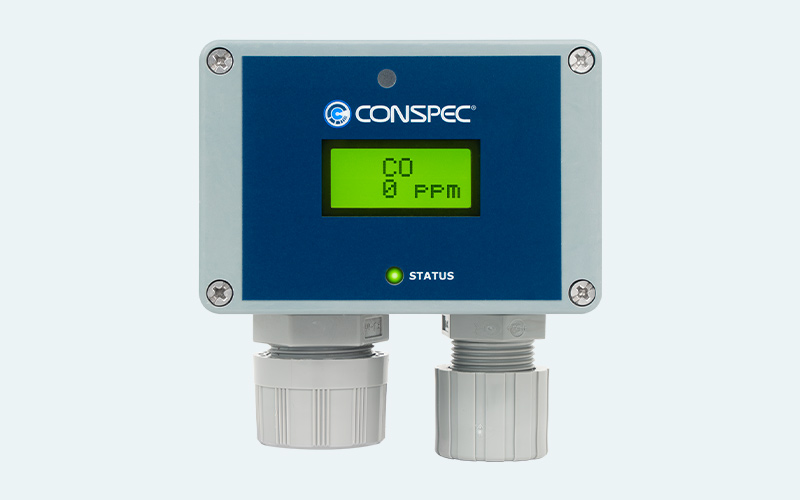
- Engineered gas detection for early leak identification
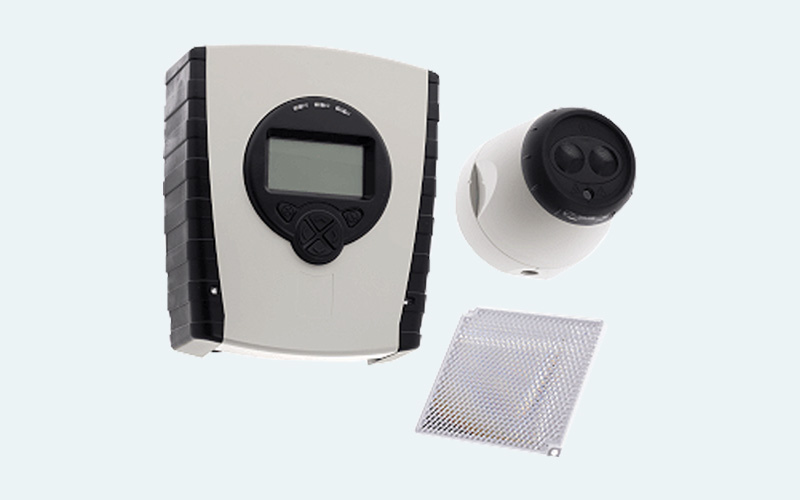
- Flame detection for rapid fire response
- Integrated alarms, controls, and shutdowns
A layered strategy is only effective when each element is intentionally designed to support the others. This is why leading facilities work with partners who approach detection as an engineering challenge, not a catalog selection exercise.
Engineering Safety in Partnership
Conspec Controls works alongside facility owners, engineers, and safety professionals to engineer gas and flame detection solutions tailored to the realities of hemp and cannabis processing environments.
Rather than offering one-size-fits-all answers, Conspec focuses on understanding how each facility operates; what gases are present, how extraction processes are configured, and how detection systems must interact with ventilation, alarms, and control infrastructure.
By translating regulatory expectations into practical, application-specific designs, Conspec helps facilities implement detection systems that support compliance, protect workers, and remain reliable as operations and regulations evolve.
Moving Beyond Compliance Toward Safer Operations
Hemp and cannabis processing facilities face risks that demand more than minimum compliance. While regulations establish a baseline, true safety is achieved through engineered systems designed for real-world conditions.
Facilities that treat gas and flame detection as an integrated, engineered layer of protection are better positioned to safeguard people, protect assets, and maintain operational continuity in an evolving industry.
In a sector that continues to mature, engineering safety in partnership is not just a best practice; it is a foundation for long-term success. ∎