Designing Layered Protection Strategies that Protect Personnel & Infrastructure
Natural gas compressor stations play a critical role in oil & gas infrastructure, helping move product safely and efficiently through gathering systems, transmission pipelines, and processing operations. But alongside that operational importance comes significant risk; especially when methane releases occur in confined, semi-enclosed, or equipment-dense environments.
Methane is the primary component of natural gas, and while it is often viewed as a familiar operational hazard, its explosive characteristics, accumulation behavior, and ignition potential make it one of the most critical risks facing compressor station operators today.
For safety professionals, the challenge is not simply identifying the hazard. It’s designing layered protection strategies that help prevent leaks, detect releases early, reduce ignition potential, and protect both personnel and infrastructure when failures occur.
Why Methane Presents a Serious Risk
Methane becomes combustible when mixed with air at concentrations between approximately 5% and 15% by volume. Once gas concentrations reach the lower explosive limit (LEL), even a relatively small ignition source can trigger a flash fire or explosion.
At compressor stations, ignition sources are everywhere:
- Engines and Exhaust Systems
- Electrical Equipment
- Hot Surfaces
- Static Discharge
- Welding & Maintenance Activities
- Mechanical Friction from Rotating Equipment
The danger is compounded by the fact that methane can accumulate rapidly in enclosed or poorly ventilated spaces. Because methane is lighter than air, it naturally rises and can collect near roof peaks, ceiling cavities, and dead air spaces of poorly ventilated compressor buildings
Even relatively small leaks can create dangerous conditions if they are not detected early.
Common Methane Leak Sources in Compressor Stations
Methane hazards at compressor stations rarely originate from a single failure point. In most cases, risk develops from the interaction between leak sources, gas accumulation behavior, ignition sources, and environmental conditions. The table below outlines several common methane-related hazards and practical mitigation strategies used in oil & gas facilities.
| Hazard Area | Methane Safety Concern | Operational Risk | Recommended Mitigation Strategy |
|---|
| Compressor Buildings | Methane accumulation near ceilings and enclosed spaces | Explosion or flash fire due to confined gas buildup | Install fixed gas detection near roof peaks and ensure adequate ventilation |
| Valve Packing & Seals | Small fugitive leaks during normal operation | Undetected gas accumulation over time | Conduct regular inspections and implement continuous gas monitoring |
| Blowdown Systems | High-volume gas release events | Rapid formation of combustible vapor clouds | Integrate detection with alarms and emergency shutdown (ESD) systems |
| Electrical Equipment | Potential ignition source in hazardous areas | Arc or spark ignition of combustible gas | Use properly rated Class I Div 1 / Div 2 equipment and maintain enclosure integrity |
| Compressor Seals | Seal degradation or mechanical failure | Sudden methane release near hot equipment | Implement predictive maintenance and source-focused detector placement |
| Ventilation Deficiencies | Poor air circulation in enclosed structures | Increased gas concentration and delayed dispersion | Design ventilation systems around facility airflow and gas behavior |
| Start / Stop Cycles | Transient leaks during pressure changes | Temporary spikes in combustible gas concentrations | Monitor high-risk operating states and verify alarm functionality |
| Maintenance Activities | Welding, grinding, and hot work near gas systems | Increased ignition potential during servicing | Enforce hot work permitting and continuous atmospheric monitoring |
| Outdoor Process Areas | Gas migration caused by wind or equipment layout | Vapor cloud formation and remote ignition risk | Position detectors near likely leak sources and critical ignition points |
| Inadequate Detection Coverage | Improper detector spacing or placement | Delayed leak identification and escalation risk | Perform hazard mapping and risk-based coverage analysis |
Over time, vibration, temperature fluctuations, equipment wear, and maintenance deficiencies can all contribute to leak development.
This is why effective safety programs cannot rely solely on periodic inspections or operator awareness. Continuous monitoring and properly engineered detection systems are essential for identifying hazards before they escalate.
The Real-World Consequences of Gas Accumulation
When methane accumulates inside compressor buildings or process areas, the outcome of an ignition event can be catastrophic. Potential consequences include:
- Flash Fires
- Explosions
- Structural Damage
- Equipment Destruction
- Extended Facility Shutdowns
- Serious Injury or Loss of Life
In many incidents, the initial gas release itself is not what causes the greatest damage; it is the delayed ignition of an accumulated vapor cloud.
For operators, this creates a critical need for rapid detection, reliable alarm notification, effective ventilation, and automated emergency shutdown integration.
Detection Is Only Effective When Properly Applied
One of the most common mistakes in gas detection planning is treating detector placement as a “spacing exercise” rather than a risk-based engineering decision.
Effective methane detection strategies must account for:
- Gas Behavior
- Ventilation Patterns
- Likely Leak Sources
- Equipment Layout
- Ignition Sources
- Environmental Conditions
- Maintenance Accessibility
Indoor compressor buildings often require denser detector coverage because gas accumulation risk is significantly higher than in open outdoor environments.
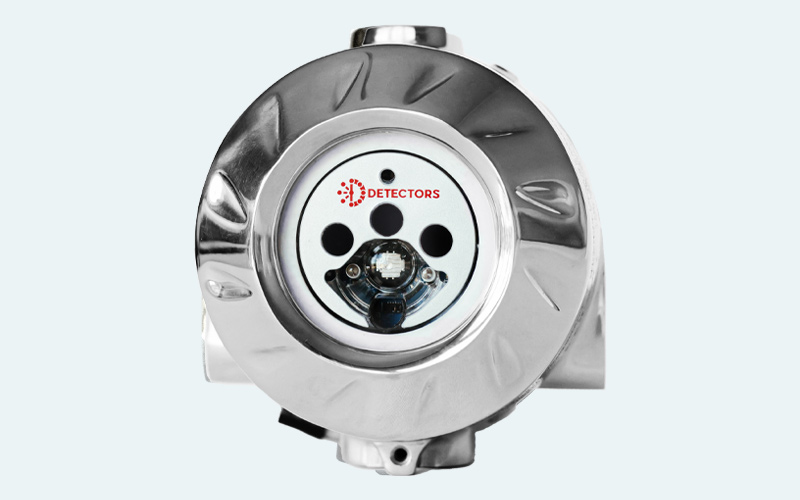
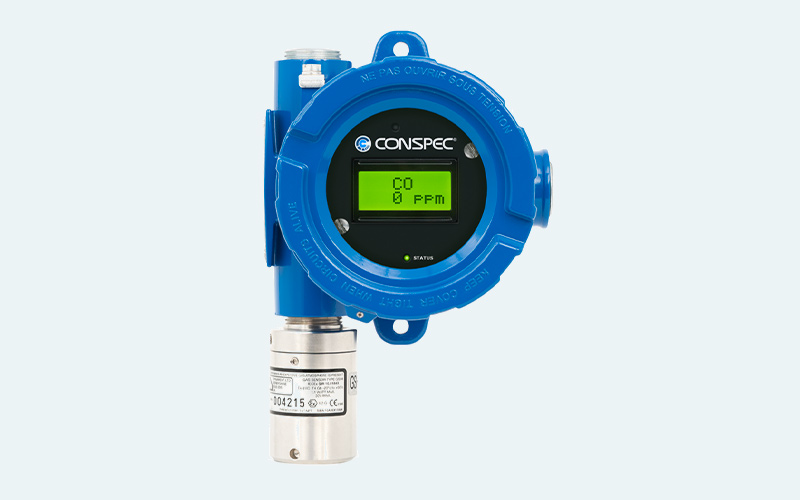
Detector technology selection also matters. Catalytic bead and infrared (IR) technologies each offer advantages depending on the application, environmental conditions, and maintenance expectations. Understanding those differences is critical for building reliable protection systems that perform consistently in real-world operating conditions.
Moving Beyond Compliance Toward Risk Reduction
Codes and regulations provide an important foundation for safety system design, but compliance alone does not always equal comprehensive protection. Modern oil & gas operators are increasingly focused on:
- Reducing Nuisance Alarms
- Improving System Reliability
- Minimizing Downtime
- Enhancing Operator Response
- Integrating Detection with ESD & Control Systems
- Building Proactive Safety Cultures
That requires more than simply installing detectors. It requires thoughtful system design, technology expertise, and long-term operational support.
As facilities evolve and operational demands increase, safety systems must evolve as well.
A Trusted Partner in Industrial Safety
At Conspec Controls, we understand that gas detection is not just about meeting requirements; it’s about protecting people, infrastructure, and operations in some of the industry’s most demanding environments.
From compressor stations and gas storage tanks to gas production units and hazardous industrial applications, our team works closely with operators, engineers, and safety professionals to develop detection solutions tailored to real-world operating conditions.
By combining proven detection technologies, system integration expertise, and practical field experience, we help customers build safer, more reliable operations with confidence.
Engineered Detection Strategies Mitigate Methane Hazards
Methane hazards at compressor stations are both common and potentially devastating. While the risks cannot be eliminated entirely, they can be significantly reduced through proper hazard assessment, engineered detection strategies, reliable system integration, and ongoing maintenance.
For safety professionals, the goal is not simply responding to incidents; it is creating systems designed to prevent escalation before it occurs.
That proactive approach is what ultimately drives safer facilities, stronger operational continuity, and better protection for the people who keep critical infrastructure running every day. ∎