Home Industries Commercial HVAC-R Battery Energy Storage Systems

Solution Components

Use the buttons below to jump directly to each solution component.

Mitigate Thermal Runaway with Hydrogen Detection.

Hydrogen (H2) detection provides a reliable early-warning signal of Li-ion battery cell failure before thermal runaway begins, providing an opportunity for intervention before the failure escalates.

Electrical overcharging, excessive heat, and mechanical damage are some of the common causes of lithium-ion battery failure. In failure scenarios, cells commonly vent hydrogen (H2), carbon dioxide (CO2), battery VOCs, and other gases in the minutes before thermal runaway begins. The time between cell venting and thermal runaway is a critical window for automated responses. Gas monitors should be configured to initiate facility responses, including applicable shutdown procedures and activation of safety systems.

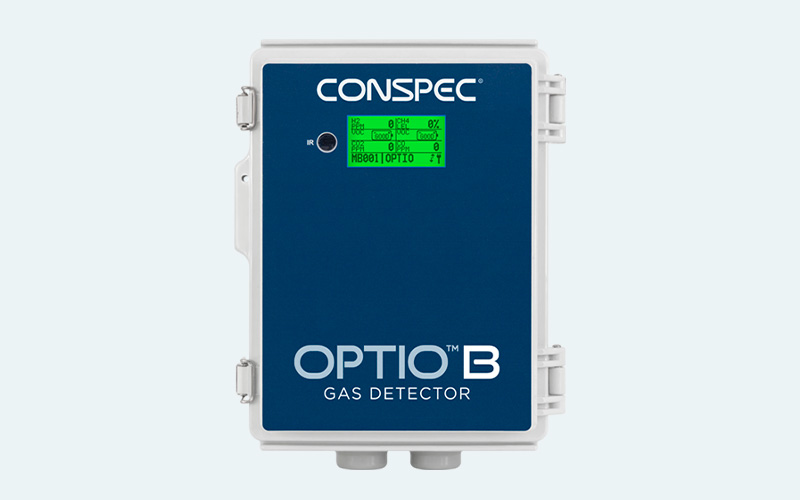
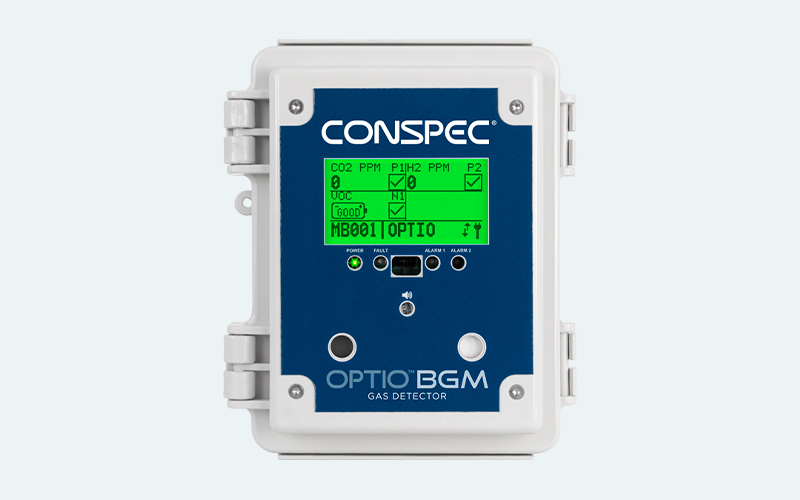
Hydrogen detection in particular provides a reliable indicator of battery failure; it is distinctive to a wide variety of battery cell chemistry with naturally low concentrations in air. By monitoring for a combination off-gases such as H2, CO2, and battery VOCs, the Optio BGM and Optio B multi-gas monitors are engineered to identify signs of cell failure with fewer false alarms.

Contact us for assistance in selecting the right device and gas sensor configuration for your facility.

Gas Detection

Thermal Imaging Provides Another Layer of Data.

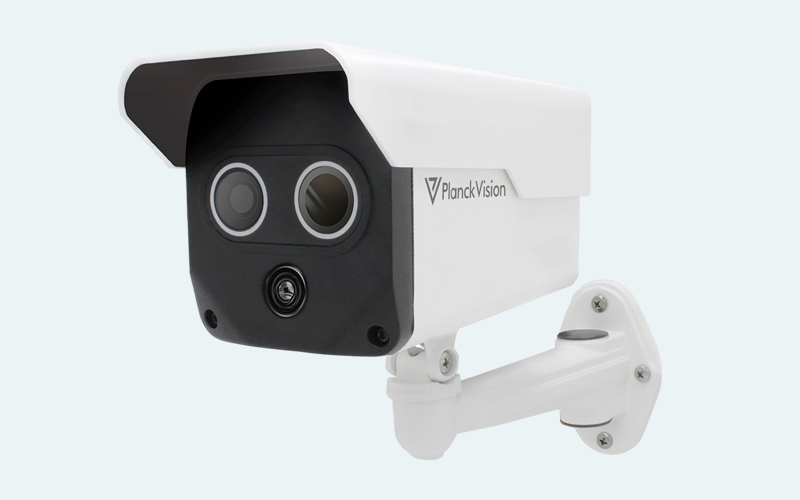
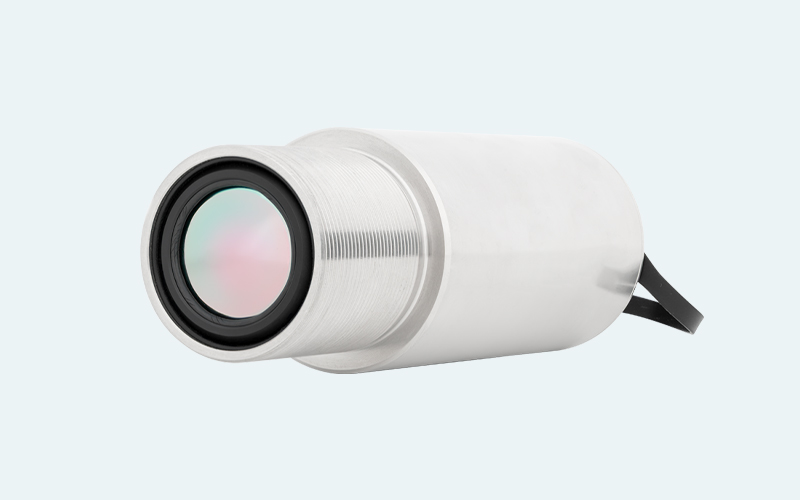
When combined with gas detection, thermal imaging cameras provide additional visibility to heat events and fires.

Gas detection and thermal imaging provide complementary monitoring capabilities for lithium-ion battery facilities. While continuous gas detection identifies gas emissions (H2, CO2, VOCs, etc.) associated with cell venting, thermal cameras provide visual monitoring of abnormal temperature across battery systems.

Combining gas detection with thermal imaging gives operators additional insight into developing battery hazards and supports a more comprehensive approach to facility monitoring.

Centralized Monitoring and Control for Battery Energy Storage Systems

Integrate BESS monitoring devices into facility systems with centralized control.

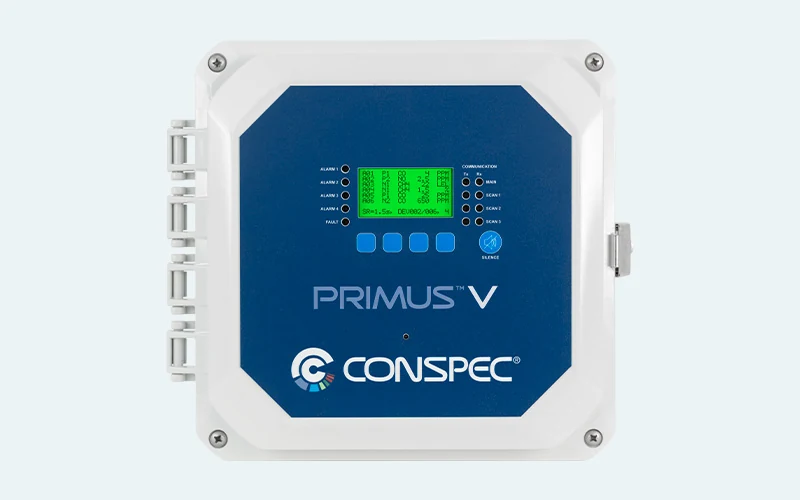
The Primus V communicates monitoring data, manages alarms and supports integration with facility controls. This allows facilities to monitor hydrogen, carbon dioxide, and battery VOC concentrations, identify abnormal temperature conditions, and coordinate appropriate responses from a centralized location.

Frequently Asked Questions

One early warning sign of potential Li-ion thermal runaway is battery cell venting (off-gassing), which can release gases such as hydrogen (H2), carbon dioxide (CO2), carbon monoxide (CO), methane (CH4), and volatile organic compounds (VOCs). With strategically placed gas sensors, Conspec’s Optio B or Optio BGM gas monitors can detect abnormal gas concentrations and support automated facility responses to help mitigate risks before thermal runaway advances.

Thermal runaway can release a variety of gases based on a multitude of conditions, including battery chemistry, material, and thermal runaway stage. The NFPA identifies several gases and vapors associated with lithium-ion battery thermal runaway, including carbon monoxide (CO), carbon dioxide (CO2), hydrogen (H2), battery electrolyte vapors (volatile organic compounds), and combustible hydrocarbons such as methane (CH4). The specific gases released depend on factors including battery chemistry, state of charge, and the progression of thermal runaway. Conspec offers the Optio BGM and the Optio B as two gas detection solutions suited for different ranges of gas detection based on facility monitoring requirements.

The NFPA outlines several risks associated with energy storage systems, including thermal runaway and the release of toxic and flammable gases. Conspec’s BESS safety solutions combine gas detection with thermal imaging to identify temperature changes and gas concentrations released during battery venting (off-gasing), triggering automated mitigation responses to help protect facility infrastructure and occupant health.

Commercial HVAC-R

Discuss Your BESS Application With Our Team.

Every facility has unique battery considerations and regional regulations. Our team is ready to help you design a gas monitoring solution that is the right fit for your operation.

Complete the form below and a member of our team will be in touch to discuss your application and requirements. We look forward to working together!