A large resource recovery / recycling center in Mississippi provides sustainable waste management solutions to municipalities and industrial partners. Their operations focus on transforming waste streams into reusable resources, reducing carbon emissions, and advancing circular manufacturing practices.
At this facility, discarded chemical products (including paint cleaners and solvent-based materials) are processed, stored, and prepared for recovery. Because many of these materials have the potential to be highly flammable, facility leadership prioritized additional fire detection measures to strengthen protection for personnel, equipment, and infrastructure.
Within the recycling operation, six chemical mixing and storage tanks contain discarded paint cleaners and related solvent materials. These tanks, along with associated pumps and piping systems, required continuous monitoring for potential fire events.
Several environmental and operational factors added complexity to the project:
Importantly, the facility had no existing flame detection system in place for these operations. Rather than waiting for an incident to occur, the organization chose to proactively implement an engineered detection solution to create an additional layer of safety and redundancy.
The goal was not simply to install sensors; but to design a system capable of reliably detecting fires and immediately notifying personnel.
Conspec worked directly with the facility to design a complete detection and alerting solution, beginning with a detailed site evaluation.
Allen Mattson, a Business Development Manager at Conspec Controls, explains that the goal of this project was never to simply install flame detectors. “We worked closely with the recycling facility’s team to understand the risks associated with the stored materials and design a safety solution that would provide the earliest possible detection.”
This process included:
Based on this assessment, Conspec engineers developed a system architecture capable of monitoring all tanks and associated pump areas while providing both local alarms and remote notifications.
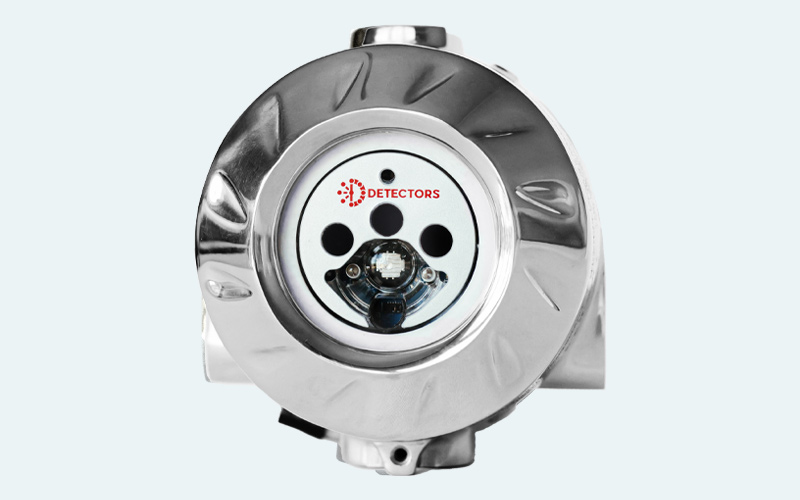
Following a detailed site evaluation, Conspec engineers designed a flame detection system capable of monitoring all six chemical mixing and storage tanks as well as the surrounding pump infrastructure. The system centers around the use of D371 Multi-Spectrum Flame Detectors, positioned to provide reliable coverage of the tank areas where discarded paint cleaners, solvents, and flammable materials are stored and handled.
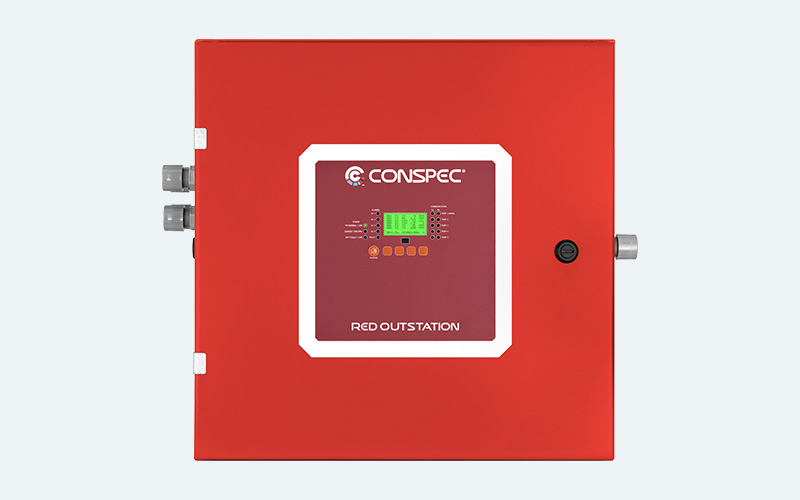
To ensure reliable monitoring and clear communication in the event of a fire, the detection network is connected to a Red Outstation controller with battery backup, providing centralized monitoring and continued operation during power interruptions. A horn and strobe alarm installed near the controller provides immediate visual and audible alerts for personnel working nearby, while integration with a wireless communications system ensures that the facility’s operations manager receives remote notifications if a fire is detected.
One of the primary reasons for selecting the D371 Flame Detector is that it senses a combination of infrared and ultraviolet wavelengths to rapidly identify hydrocarbon-based fires while minimizing costly false alarms in challenging industrial environments. Other advantages of this solution include:
This combination allows the system to detect fires associated with flammable solvent materials quickly and reliably.
By implementing a fully engineered flame detection system, the facility significantly strengthened fire protection across its chemical storage and mixing operations. The solution provides:
Most importantly, the system supports the organization’s broader commitment to safe and sustainable operations while ensuring personnel and assets remain protected. “Our goal is always to help customers build safety into their operations. By designing detection around the layout of their tanks and pumps, we were able to deliver a solution that adds another layer of protection for both personnel and critical infrastructure,” adds Mattson.
Rather than simply purchasing detection devices, the facility partnered with Conspec to design a complete safety solution; engineered to the specific risks of its recycling and chemical recovery processes. ∎
Every facility presents unique fire risks. Connect with the Conspec team to discuss how an engineered flame detection strategy can protect your personnel, property, and processes.