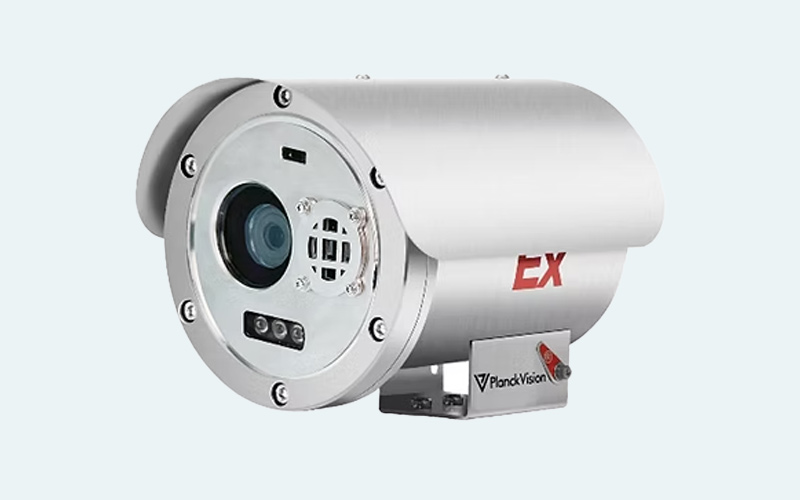
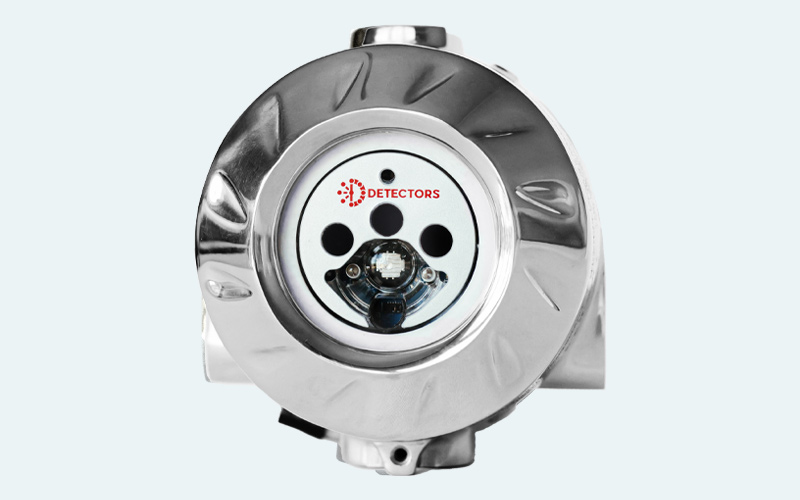
A conveyor belt fire can start with something as small as a seized bearing, a misaligned belt, or a piece of material rubbing against a moving component.
The visible damage may be limited to a section of belt. The actual cost can be much greater.
For mine safety personnel, the risk of a conveyor fire isn’t simply the potential loss of equipment. An unexpected belt fire can interrupt production, expose personnel to smoke and toxic gases, require evacuation, damage surrounding infrastructure, and create conditions that make recovery difficult and dangerous.
The challenge is detecting a developing fire early enough to intervene.
That is why a comprehensive conveyor fire detection strategy should combine gas detection, flame detection, and temperature monitoring. Each technology detects a different stage or characteristic of a developing fire, creating multiple opportunities to identify a problem before it becomes a major incident.
Conveyor fires often develop progressively. A mechanical problem may generate heat. That heat can cause materials to smolder and release gases. Eventually, visible flames may develop.
By the time a conventional flame detector sees the fire, the situation may already have progressed significantly. A more effective approach is to use a combination of heat detection, gas detection, and flame detection to monitor for the conditions that can precede or accompany ignition.
Together, these technologies create layers of protection across the progression of a potential fire.
The true cost of a conveyor belt fire is rarely measured by the length of damaged belt or the equipment that needs to be replaced.
The bigger cost is everything that happens around the fire: production stops while the conveyor is shut down, personnel are evacuated or reassigned, damaged equipment must be inspected and repaired, and the affected area may remain unavailable until mine management is confident it is safe to resume operations.
In underground operations, smoke and combustion gases can introduce additional hazards and complicate ventilation and emergency response. A fire that could have been contained as a relatively minor equipment issue can therefore become a significant operational disruption when it isn’t detected and addressed early.
The earlier a developing fire is detected, the greater the opportunity to limit each of these costs.
No single detection technology can identify every stage of a developing conveyor fire. A layered approach combines temperature monitoring, gas detection, and flame detection to provide multiple opportunities for intervention; from the first signs of abnormal heat through ignition.
Used together, these technologies create a layered conveyor fire detection system that can identify problems earlier and provide mine personnel with more time to respond.
The objective isn’t simply to detect a fire. It’s to detect the conditions leading to a fire, confirm ignition quickly, and minimize the time between detection and intervention.
Early detection is valuable only when the mine has a defined response. Detection systems should be integrated with the mine’s established emergency and fire response procedures. Depending on the application, an alarm may initiate actions such as: conveyor / equipment shutdown, ventilation response, initiating fire suppression systems, triggering audible and visual alarms, and more.
The appropriate response will depend on the mine, conveyor configuration, hazard assessment, and applicable requirements.
The important consideration is to define the response before an event occurs.
The most effective conveyor fire detection strategy isn’t simply about knowing that a fire has occurred. It’s about creating enough warning to change the outcome.
Temperature monitoring can identify developing mechanical problems. Gas detection can identify atmospheric changes associated with overheating or combustion. Flame detection can rapidly identify ignition.
When these technologies are integrated into a coordinated monitoring and control strategy, mine safety personnel gain multiple opportunities to detect an abnormal condition and act before a small event becomes a major incident.
Because the hidden cost of a belt fire isn’t just the belt and the earlier you detect the problem, the more options you have to control it. ∎
Ready to build a layered safety system around your facility’s conveyor belts? Schedule a free consultation with our specialists today.